The pain in your low back is not new. It has lived with you for years. It flares when you sit too long, eases when you move, and you know its moods the way you know an old housemate.
Physical dependence on a prescribed benzodiazepine is not addiction. It is the expected result of regular use, and a slow taper exists to unwind it.
Then you started tapering a benzodiazepine, and the old ache stopped whispering and started shouting.
Now you are lying awake wondering what broke. Did the joint finally give out? Was the medication hiding damage that is only now showing itself? There is a better explanation, and it is far less frightening than the one that arrives in the middle of the night.
First, what the SI joint actually is
The sacroiliac (SI) joint is where the base of your spine meets your pelvis. You have one on each side. These joints do not move much, but they carry your upper body every time you stand, walk, or roll over in bed.
SI joint dysfunction means one of these joints is irritated or moving a little too much or too little. It usually causes pain low in the back or deep in one buttock, sometimes spreading into the hip or thigh. It is common, it is manageable, and many people carry it quietly for years.
Which is exactly why it feels so alarming when it suddenly roars.
Why does an old ache turn deafening?
Benzodiazepine withdrawal can produce a condition called benzodiazepine-induced neurological dysfunction, or BIND. BIND is the wide range of symptoms that can appear when a nervous system that adapted to a benzodiazepine has that medication reduced or removed.
Benzodiazepines boost the calming action of gamma-aminobutyric acid, or GABA, the brain’s main quieting signal. With long-term use, the brain turns down its own quieting machinery. One explanation many clinicians use is that during a taper, calm is in short supply, and the systems GABA normally restrains run hot, the pain system likely among them. The evidence for exactly how this happens is limited, but the pattern is familiar to anyone who has watched a taper closely.
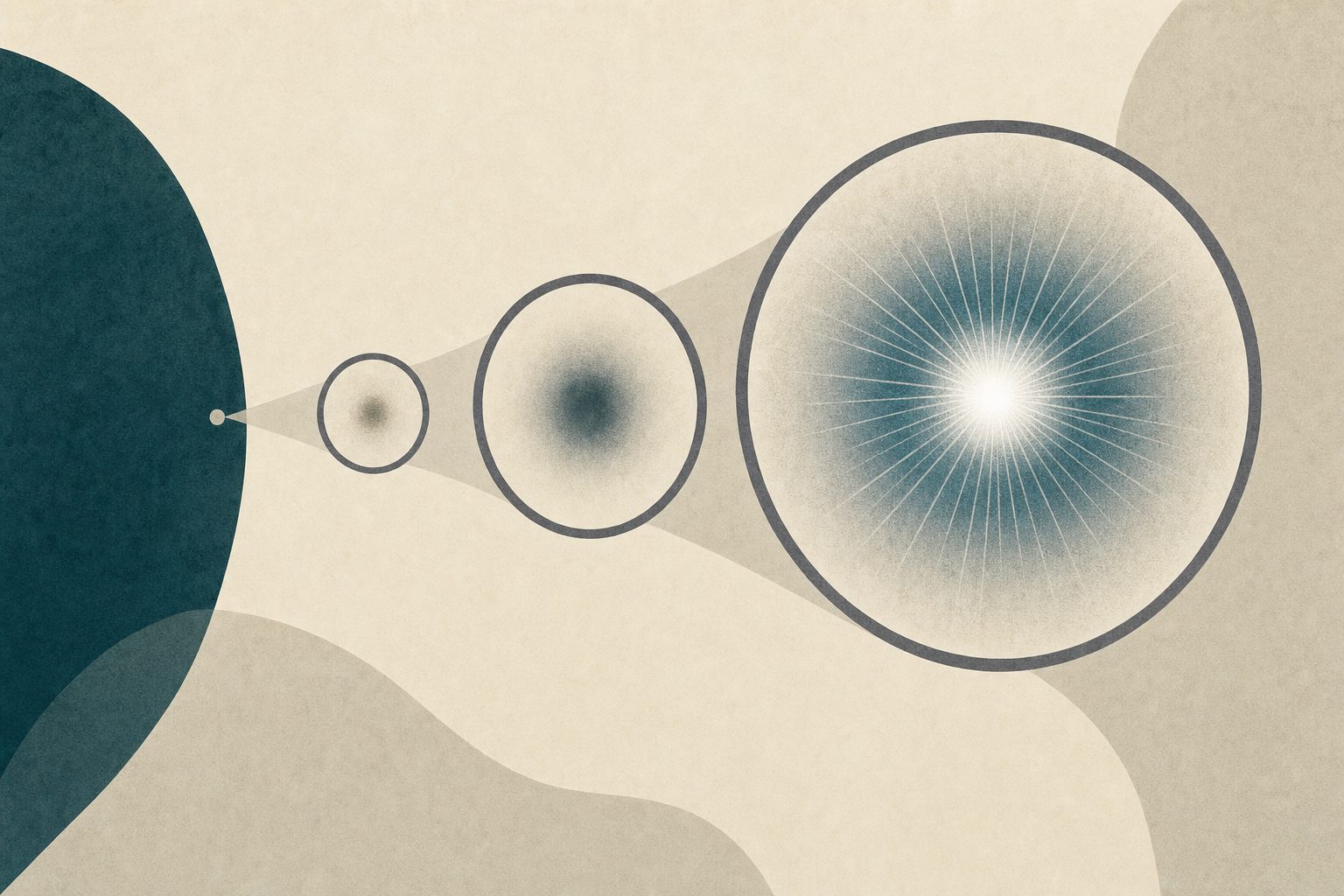
Picture a guitar plugged into an amplifier. The strings are your SI joint, playing the same notes they have played for years. Withdrawal does not change the strings. It turns the amplifier from three to ten. While this is not a perfect analogy, it captures the part that matters most.
This is one reason old aches get loud during withdrawal. The signal from the joint may be the same. What has changed is how loudly the nervous system plays it.
The muscle tension layer
There is a second piece. Benzodiazepines relax muscles. As the dose comes down, muscles often tighten and guard, especially the big ones of the hips, buttocks, and low back that surround and steady the pelvis. Muscle spasms and tension are part of the full-body reality of BIND, and the pelvis is one place they show up.
A guarding muscle pulls on the joints it crosses. So the SI joint may truly be more irritated right now, not because it is damaged, but because the muscles around it have been gripping like a fist for weeks. An amplified signal plus tightened muscles adds up to louder pain from the same joint.
Loud is not the same as damaged
Pain volume and tissue damage are two different measurements. During withdrawal, the dial is likely miscalibrated. A joint that would rate a two on an ordinary day can broadcast at an eight. The eight is real pain, and you are not imagining it. But it is not proof of new harm.
Withdrawal can do two things to pain. It can create new pain of its own, most often the burning, tingling, or electric nerve pain described in the article on neuropathic pain during benzodiazepine withdrawal, and it can find the pain you already own and amplify it. An old SI joint that has suddenly turned loud is usually the second kind.
That distinction matters because fear is its own amplifier. When pain spikes and you conclude that your body is breaking, the alarm system fires harder, the muscles grip tighter, and the pain climbs louder still. Understanding what is actually happening loosens that loop.
What people do with this knowledge
Patients going through this often describe small things that help them get through the day: gentle walking, changing positions before the joint stiffens, warm showers, and pacing the day so those deep hip muscles are not asked to grip through hours of stress. None of these are cures, and different people find different things soothing. They are ways of being kind to a joint whose alarm is set too sensitive.
The taper itself is part of the answer. Pain that spikes after a dose reduction is information, not failure. It is the nervous system reporting that the last step down was steep. A physician who understands BIND reads that report as data that shape the plan rather than a setback to push through, and adjusts, slowing the pace or holding the dose while things settle. The Ashton Manual says the same thing in Chapter II, “How to Withdraw from Benzodiazepines After Long-Term Use,” the chapter that holds the withdrawal schedules: the schedules are guides to be tailored to the individual, and you can stand still at a stage for a few weeks when you need to.
It is also reasonable to have the joint itself examined, especially if the pain has changed character, travels somewhere new, or arrives with numbness or weakness. A physician can sort structural questions from amplified ones. Most of the time, the story is the amplifier. One exception is not a wait-and-see matter: new weakness in a leg, numbness in the groin or inner thighs, or any loss of bladder or bowel control needs emergency care, so call emergency services or go to the emergency department rather than waiting for morning.
None of this is addiction. A body that adapted to a prescribed medication and hurts while readjusting is showing physical dependence, a medical condition with a medical answer.
The amplifier gets turned back down
The most hopeful fact about pain amplification is that it is likely a settings problem, not a structure problem. Settings recalibrate. As your nervous system relearns how to quiet itself, the dial drifts back toward honest numbers, and the joint you have managed for years goes back to being manageable.
You have outlasted every flare this joint has ever thrown at you. This one is louder, but it is the same opponent under brighter stage lights. Move gently, pace your days, let your taper bend to what your body reports, and give the amplifier time to settle, which for most people it does.
This article is educational. It is not medical advice, and reading it does not create a doctor-patient relationship. Decisions about starting, continuing, or tapering any medication should be made with your own physician.